
The silicon It intrigues as much as it raises questions. It is not a medicine. Nor is it a miracle cure. It is, first and foremost, a chemical element found everywhere around us. It is found in sand, in glass and in our smartphones. It is also found, in small quantities, in our bodies.
In its natural form, the silicon dioxide (SiO₂), it is the raw material used in the manufacture of glass, concrete and solar panels. In its organic form, it is used in cosmetics and food supplements. In this article, we explain what it is, its biological role, its commercial forms (G5, G7, Dissolvurol, Dexsil, Silagic) and its actual industrial uses. We also answer the most frequently asked questions about this still little-known mineral.
Silicon: definition and chemical properties
Symbol Si, atom and position in the periodic table
The silicon bears the symbol If. Here are its key features:
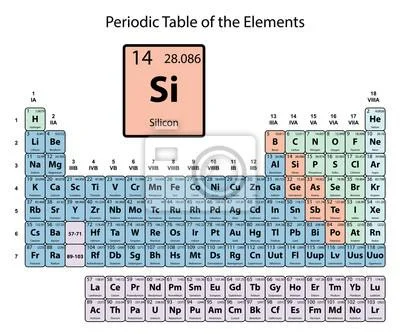
- Atomic number: 14.
- Atomic mass: approximately 28.
- Position in the periodic table: 14th column, next to carbon.
- Nature: a metalloid, halfway between a metal and a non-metal.
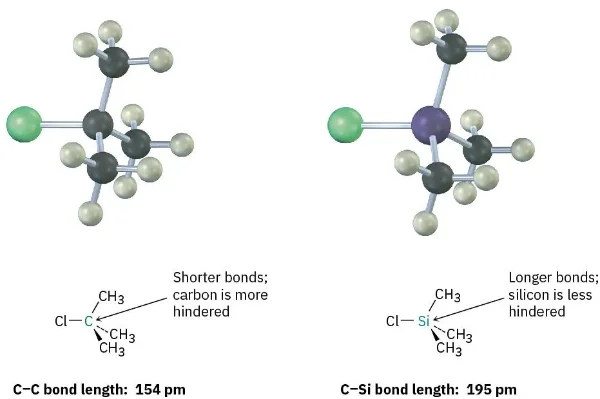
Silicon shares a key property with carbon: tetravalence. It forms up to four covalent bonds. However, its bonds are weaker than those of carbon. This weakness explains its high chemical reactivity. Three natural isotopes make up terrestrial silicon. Silicon-28 is by far the most abundant, accounting for 92 % of the total. Isotopes 29 and 30 make up the remainder.
Mind your spelling. Many people confuse silicon and silicone. These are two very different substances. Silicon is a naturally occurring chemical element. Silicone is a synthetic polymer made from silicon. It is found in sealants, kitchen moulds and certain cosmetics. So please do not confuse these two terms in your research.
Silicon dioxide: silica vs silicon
Pure silicon is almost never found in nature. It reacts too readily with oxygen. That is why it is almost always found in an oxidised form: the silicon dioxide, also known as silica (SiO₂).
This distinction makes all the difference when it comes to understanding the subject:
- The silicon : a pure chemical element, isolated in a laboratory or factory.
- The silica (SiO₂): its natural, stable form, found in quartz and sand.
- The silicon carbide (SiC) : a distinct industrial compound, which is very hard, used as an abrasive and in power electronics.
In practice, when we talk about «silicon» in sand or rocks, we are actually referring to silicon dioxide. This crystalline silica makes up the bulk of the siliceous sand, quartz and sandstone. It is this raw material that then feeds the entire industrial chain: metallic silicon, semiconductors and glass.
A metalloid found everywhere in the Earth’s crust
Silicon is the second most abundant element in the Earth’s crust. Only oxygen is more abundant. It accounts for approximately 28 % of the Earth’s mass. It is found in:
- sand and quartz,
- granite and sandstone,
- clay and silicates,
- a wide variety of sedimentary and igneous rocks.
To be turned into silicon metal, this silicon dioxide must first be purified. Quarries extract high-grade quartz. Crushers then break the blocks down into smaller pieces. Pressure washing removes clay and surface impurities. Finally, screening ensures that the grain size is uniform.
This purified silica is then sent to electric arc furnaces. Carbon acts as a reducing agent in this process. It removes the oxygen from silicon dioxide at temperatures in excess of 2,000 °C. This reaction releases molten silicon metal. The plants then cast it at around 1,500 °C into large moulds. The China now dominates global silicon production, far ahead of Russia, Brazil, Norway and the United States.
What is the role of silicon in the body?
Our bodies also contain silicon. It does not play a major nutritional role, unlike iron or calcium. However, it is involved in several important biological functions.
Role in collagen synthesis
Silicon acts as a catalyst. It activates a key enzyme, prolyl hydroxylase. This enzyme produces collagen. Collagen, in turn, provides structure to our connective tissues.
Silicon is therefore found in abundance in:
- the skin and the dermis,
- cartilage and tendons,
- growing bones,
- the walls of blood vessels.
As we age, the silicon content in these tissues naturally decreases. This decline can be as much as 80 % in certain areas of the body. It often coincides with the first signs of ageing.
Benefits for hair and nails
Silicon is also concentrated in keratinised tissues. Hair, nails and body hair contain high levels of it. It is thought to contribute to their strength and resilience. This is why there are now many hair serums and nail varnishes containing silicon available in chemists.
These uses remain largely based on experience. No independent study has confirmed that they accelerate hair regrowth. However, their traditional use remains very widespread in the cosmetics industry.
Silicon and osteoarthritis: effects on the joints
Which form of silicon is best for osteoarthritis? In summary, the most widely studied forms remain monomethylsilanetriol (MMST) and orthosilicic acid. However, no product has a health claim validated by EFSA.
Silicon remains highly sought after for the relief of joint pain. It plays a role in the synthesis of hyaluronic acid. This molecule lubricates and protects the cartilage. Some users also report that it has a soothing effect on tendonitis.
However, caution is still advised:
- The EFSA has not validated any claims regarding an «anti-osteoarthritis» effect.
- According to Santé.fr, no independent study has confirmed this effect in humans.
- There are still numerous anecdotal reports, but these have not been scientifically proven.
In North Africa, there is an ancient tradition of burying people suffering from rheumatism in hot sand. This practice suggests that silicon may be bioavailable on the surface of the sand. However, it does not constitute scientific proof.
Effects on the skin and skin ageing
Silicon stimulates fibroblasts. These cells produce collagen and elastin. This is thought to restore the skin’s firmness and suppleness. It is also thought to help prevent the appearance of wrinkles.
Silicon is also thought to act as an antioxidant. It is believed to protect membrane lipids against oxidative stress. That is why many anti-ageing skincare products now contain it.
Natural and dietary sources of silicon
Foods rich in silicon
Which food is the richest in silicon? Wholemeal cereals, particularly brown rice and oats, top the list. Beer and mineral water are also among the best sources of soluble silicon.
Here are the main dietary sources:
- whole grains (rice, oats, millet),
- fruit (banana, apple, orange),
- vegetables (spinach, onions, carrots, cucumber),
- pulses (lentils, chickpeas),
- mineral water and beer,
- dried fruit (almonds, walnuts).
Conversely, animal-based products contain very little silicon. A diet low in plant-based foods therefore increases the risk of a deficiency.
Horsetail: a plant rich in silica
Horsetail naturally contains high levels of silica. It has long been believed to have remineralising properties. Nettles and bamboo are also rich in silicon.
These plants store silica in their epidermis, where it helps to strengthen their structure. Some manufacturers extract this plant-based silica for use in their food supplements.
Organic silicon: forms and dietary supplements
Organic silicon vs inorganic silicon
This distinction remains crucial when choosing a supplement.
Inorganic silicon (silica, silicates) remains relatively insoluble. Its absorption from the digestive tract rarely exceeds 10 %. Organic silicon, on the other hand, forms a direct bond with carbon. This bond makes all the difference: it becomes much more soluble.
- Inorganic silicon: digestive absorption of 1 to 10 %.
- Organic silicon (MMST): estimated absorption between 50 and 70 %.
Monomethylsilanetriol (MMST) is a good example of this family of molecules. Its structure comprises a tetravalent silicon atom, three hydroxyl groups and a methyl group. This dual polarity enhances its solubility in water. It also facilitates its penetration through the skin.
Orthosilicic acid: the form that is best absorbed
Orthosilicic acid, Si(OH)₄, is the natural form in which silicon is found in water. It is found directly in mineral waters.
European regulations strictly govern the forms permitted in food supplements. Only three forms of silicon are currently recognised:
- choline-stabilised orthosilicic acid,
- the silicon dioxide,
- silicic acid.
Silicon dioxide is therefore not merely a mineral component. It is officially recognised as one of the forms of dietary silicon. It is also used as an anti-caking agent (E551) in many everyday products.
Gel, liquid or capsules: which form should you choose?
The format depends mainly on the intended use.
- Gel : Absorbs easily into the skin; ideal for joint massage or skincare.
- Oral solution : suitable for long-term treatment, often combined with other active ingredients.
- Capsules : convenient, tasteless, often combined with MSM, glucosamine or chondroitin.
Each format has its own advantages. The choice depends mainly on your habits and your objective.
G5, G7, Dissolvurol, Silagic and Dexsil: how effective are they?
There are many brands of organic silicon available on the market. They are often based on the same molecule, but with variations.
- G5 / G7 : Loïc Le Ribault’s classic formula, based on MMST. The G7 follows the G5 recipe, with an additional biodynamisation stage. It is available in a mineral version (Original) and a plant-based version (Siliplant, made from horsetail).
- Dissolvurol : a long-established brand, founded in 1947, based on silicic acid and orthosilicic acid.
- Dexsil : «bio-activated» organic silicon, stabilised with choline and enriched with nettle extract.
- Silagic : often combines organic silicon (MMST) with collagen to specifically target the joints.
None of these brands has exclusive rights to organic silicon. They differ mainly in terms of their origin, their stabiliser and their actual silicon content.
Which silicon should you choose?
Quality and bioavailability criteria
Before buying, check the following points:
- the actual amount of elemental silicon, not just the overall percentage shown,
- the origin of the raw material (pharmaceutical synthesis or plant extraction),
- the type and quantity of added preservatives,
- storage conditions (light, heat, contact with metal or glass).
A product labelled as 7 % may therefore contain less actual silicon than a product labelled as 0.03 %. It all depends on what that percentage actually represents.
Reviews of organic silicon as a course of treatment
Feedback from regular users remains generally positive. Many report improved joint comfort. Others highlight benefits for the skin or hair.
However, please bear in mind an important regulatory point. No health claims regarding silicon have yet been approved by EFSA. A product cannot therefore legally claim to treat osteoarthritis, osteoporosis or hair loss. These effects are based on individual experience, not clinical evidence.
How long should a course of treatment last?
When should you take silicon? In the morning, on an empty stomach, is still the time most recommended by manufacturers. It is usually taken 15 to 20 minutes before meals.
Protocols vary from brand to brand:
- Standard course of treatment: 3 weeks’ treatment, followed by a 10-day break,
- long-term treatment: 1 to 2 months continuously, sometimes renewable,
- Intensive treatment: a higher dose for 2 weeks, followed by a maintenance dose.
Always follow the manufacturer’s instructions. Seek advice from a healthcare professional if you are currently undergoing medical treatment.
How much does a silicon dietary supplement cost?
Prices vary depending on the format and strength. Generally speaking, you can expect to pay:
- between €15 and €20 for a bottle of 250 to 500 ml,
- between €25 and €35 for a one-litre bottle.
Larger packs are often better value for money for long-term treatment. The average daily cost is between €0.30 and €1 per day.
Risks and side effects of silicon
Risks associated with inhaled silicon dioxide
What are the disadvantages of silicon? The main risk relates to prolonged inhalation of crystalline silica dust. This can cause silicosis, a chronic lung disease.
This condition mainly affects certain occupational sectors:
- quarries and mines,
- construction and stonemasonry,
- foundries and industrial sand-blasting plants.
This is why handling silica sand and quartz requires appropriate protective measures. Face masks, dust extraction and good ventilation help to minimise this risk in the workplace. Silicon dioxide used as a food additive (E551) does not pose this risk: the quantities ingested are nowhere near those encountered in industrial settings.
Side effects of supplements: what the science says
MMST is now authorised in the European Union. The EFSA confirmed its safety in 2016. The recommended daily intake remains limited, at around 10 mg of MMST per day.
At the usual doses, organic silicon is generally well tolerated. Any excess is naturally excreted by the kidneys. However, a few precautions are still advisable:
- caution is advised in cases of renal impairment,
- medical advice is recommended for pregnant or breastfeeding women,
- Caution is advised if the patient is currently undergoing treatment with diuretics or renal therapy.
In summary, the real drawbacks of silicon stem less from its toxicity than from the lack of sound scientific evidence regarding its claimed benefits. They also stem from the wide variation in quality amongst the products available on the market.
Industrial silicon: uses and applications
The general public often associates silicon with dietary supplements. However, the vast majority of global silicon production is used by industry, not for nutritional purposes. It all starts from the same source: sufficiently pure quartz sand.
Semiconductors and microchips
Silicon remains the basic material of modern electronics. To manufacture a chip, extremely pure silicon is required – with a purity of over 99.9999 %.

The Czochralski method makes it possible to achieve this level of purity. It involves growing a single crystal from a bath of molten silicon. Factories then cut this single crystal into thin slices, known as wafers. These wafers form the basis for transistors and integrated circuits.
Photovoltaic cells and silicones
Solar panels also use this highly purified silicon, in the form of polysilicon. This material captures light and converts it into electricity.
Silicon also plays a vital role in many other industries:
- aluminium alloys, the main market for metallic silicon,
- glass, which contains more than 60 % of silica,
- silicones, used in seals, cosmetics and industry,
- silicon carbide, for abrasives and power electronics,
- concrete and building materials made from silica sand.
Yet this entire industrial chain begins in the same place: a quartz quarry or a deposit of high-purity silica sand. Without this raw material, neither microchips, nor solar panels, nor glass could exist.
This article is for information purposes only. It is not a substitute for medical advice or regulatory expertise. Consult a healthcare professional before starting any course of silicon supplementation, particularly if you are currently undergoing treatment, are pregnant or are breastfeeding.