
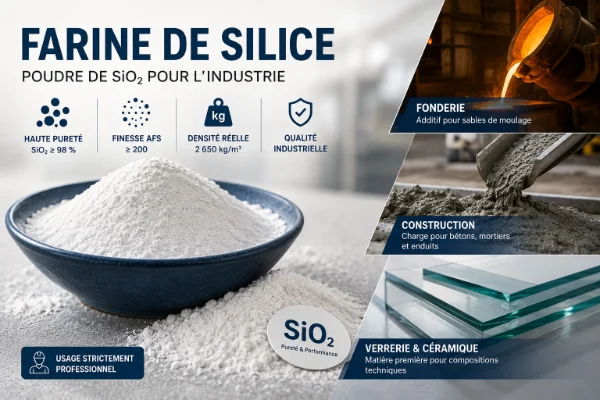
Silica flour is a fine powder of silicon dioxide (SiO₂), obtained by grinding high-purity silica sand. Its AFS fineness index is at least 200. It is used in foundry work, epoxy concretes, ceramics and industrial coatings. Its true density of 2,650 kg/m³ makes it a high-performance technical filler. It must only be handled by trained professionals.
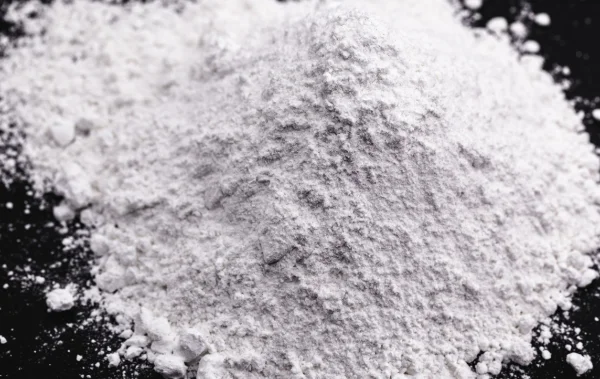
What is silica flour?
Silica flour is a powder of silicon dioxide (SiO₂) produced by finely grinding silica sand or natural quartz. White, odourless and chemically inert, it differs from ordinary sand in its very fine grain size.
This is why SiO₂ is one of the most abundant minerals in the Earth’s crust. Furthermore, this intensive grinding process transforms a raw material into a product with precise industrial specifications.
His industrial applications cover several key sectors:
- Foundry (foundry sands): additive for moulding sands to prevent metal penetration
- Construction : aggregate for concrete, mortar and render
- Glassware and ceramics : raw material for technical formulations
At Silices Santa Cruz, the silica flour is sourced from the Djebel Ouazzan deposit, a naturally selective rock that guarantees a high degree of purity right from the moment of extraction.
Technical characteristics: formulation, finesse and purity
The chemical formula for silica flour is SiO₂, with a molar mass of 60.084 g/mol. Its true density is approximately 2.65 g/cm³ for the crystalline form derived from quartz.
Fineness is measured using the AFS index. A silica flour has a AFS index of 200 or more, which sets it clearly apart from standard foundry sands (55 to 65 AFS). The higher the index, the finer and more reactive the particles are in the mixtures.
In terms of purity, industrial grades require:
- SiO₂ ≥ 98 % for foundries and specialised concrete applications
- SiO₂ ≥ 99.5 % for mineral fillers and advanced applications
The impurities monitored as a priority are Fe₂O₃, Al₂O₃ and CaO. Their content, which is monitored using XRF analysis, directly determines the performance of the finished product.
What is silica flour used for?
Applications in foundry work and epoxy concrete
In foundries, silica flour serves a specific purpose: to seal the pores of the moulds to prevent molten metal from penetrating. Its extreme fineness fills the gaps that conventional moulding sand cannot reach.
The result: moulded parts with cleaner surfaces and less scrap during machining.
In the epoxy concrete, it acts as a cost-effective mineral filler. When incorporated into the resin-hardener mixture, it increases the composite’s density (approximately 2,650 kg/m³) and enhances its abrasion resistance.
In practical terms, an industrial floor made of epoxy concrete reinforced with silica fume withstands repeated forklift traffic better than an unreinforced epoxy floor. This offers two direct benefits:
- Reduction in withdrawal during the curing of the resin
- Cost optimisation by partially replacing the pure resin
Applications in glassware, ceramics and refractories
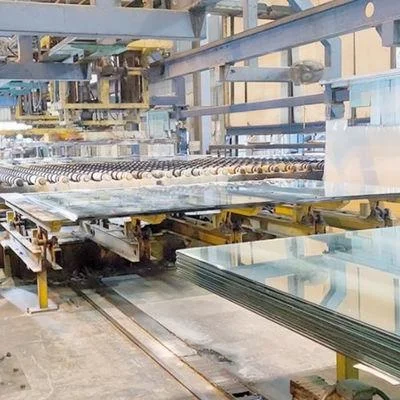
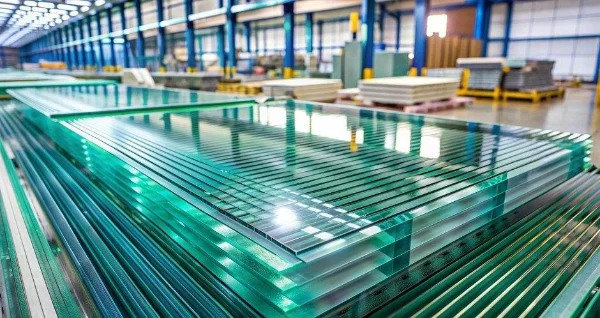
In glassmaking, silica flour accounts for up to 70 % of the glass formulation. White glass requires a SiO₂ content of more than 99 % and a Fe₂O₃ content of less than 0.03 % to ensure optimum transparency. Every tenth of a per cent of excess iron oxide causes the glass to take on a colour.
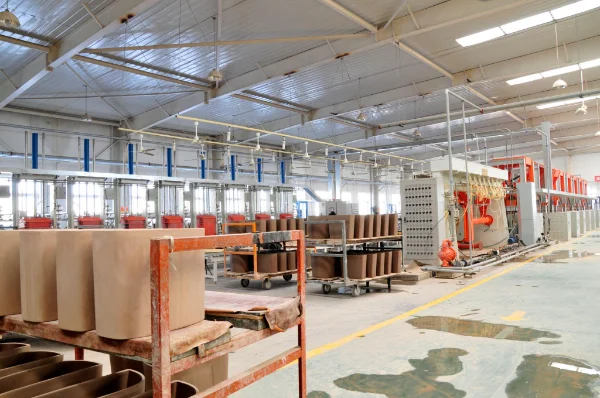
In ceramics, fine silica fulfils three distinct functions:
- Controlling thermal expansion items being dried
- Stabilising glazes for tiles, crockery and bathroom fittings
- Increase the cooking temperature whilst reducing the withdrawal rate
In the refractory industry, silica can withstand temperatures of up to 1,700 °C. It is a component of silica bricks used in coke ovens and glass furnace regenerators, where chemical stability at high temperatures is essential.
What are the health effects of silica?
Silica flour releases ultrafine respirable dust when handled. These particles, which are smaller than 5 µm, penetrate deep into the lungs, and the body is unable to eliminate them naturally.
ANSES has identified nearly 365,000 workers exposed to this hazard in France. The conditions recognised in Schedule 25 of the list of occupational diseases include, in particular:
- Silicosis : progressive and irreversible pulmonary fibrosis
- Bronchopulmonary cancer : increased risk after 45 years of exposure to 0.1 mg/m³
- Autoimmune diseases : systemic scleroderma, lupus, rheumatoid arthritis
An aggravating factor is that symptoms often appear 10 to 30 years after exposure. The disease continues to progress even after exposure to silica has ceased.
That is why wearing suitable respiratory protective equipment remains essential from the very first time it is used.
Order your Santa Cruz silica flour
To order your silica flour, go directly to the page at request for a quote from silicesantacruz.com. The team processes every enquiry within 24 working hours.
Silica flour · Industrial grade
Need a high-purity silica flour ?
Get a high-fineness SiO₂ powder (AFS ≥ 200), ideally suited to foundry work, epoxy resins and demanding technical applications.
Request a technical quotationPlease have the following information to hand before submitting your application:
- Intended use : foundry work, epoxy concrete, glasswork or refractory materials
- The desired volume : in bulk, 1,000 kg big bags or 25 kg sacks
- The target particle size and the required SiO₂ purity
You will receive a detailed quotation based on your order volume and delivery location. Buying directly from the mining company — straight from the Djebel Ouazzan deposit — cuts out the middlemen and reduces logistics costs.